Vivienda prefabricada: revisa permisos antes del módulo
Watch the explanation and read its transcript on Vivienda prefabricada: revisa permisos antes del módulo. To continue your review, also read Costos que faltan en un precio de vivienda prefabricada: cómo completar el presupuesto and Contrato de obra prefabricada: alcance, pagos, cambios y entrega.
Video, transcript and related readingManufacturing savings do not eliminate site research, technical design or applicable procedures.
The product is not the whole project
Buying a modular home may feel like buying an object ready to use. A real site involves additional decisions: intended activity, foundations, anchoring, access, slopes, utilities, sanitation and occupants. A catalogue describes a product; it does not automatically assess the plot where it will be installed. Before committing a deposit, describe the full project and ask which requirements need to be checked for that location.
Off-site manufacturing, materials and the ability to disassemble do not settle planning treatment on their own. Calling an installation temporary also does not replace an assessment of its use, design and implementation. Explain whether you intend permanent housing, accommodation, an office, agriculture or another activity. Take dimensions and specifications to professionals and the competent authority; a commercial description starts the conversation, rather than finishing it.
Read the 2021 circular in its full context
Minvivienda Circular 2021EE0090167 expressly withdraws the content of two 2004 circulars and clarifies the treatment of lightweight structures. We therefore do not use an older answer about pergolas, tents or demountable elements as sufficient evidence that a prefab home is exempt. The circular distinguishes buildings and structures and considers factors including structural behaviour and primary human habitation or occupation.
The exceptions described are not a general permission for every lightweight structure. Read them with all conditions for the category and the other applicable rules. Even where a particular installation does not require a construction licence, that does not remove land-use, safety, environmental or operating requirements. For housing, request an assessment of the actual project; neither this guide nor a manufacturer can turn an exception into a plot-specific authorisation.
Answer the site questions first
Confirm the municipality, identify the plot and ask about the intended activity. Medellín's rules do not extend to Rionegro, Guarne or El Retiro because they are nearby. A plot marketed for country living needs its own assessment. Ask about planning conditions, restrictions and project procedures. Keep the date, identification and annexes of each response: an answer for another plot or activity is not interchangeable.
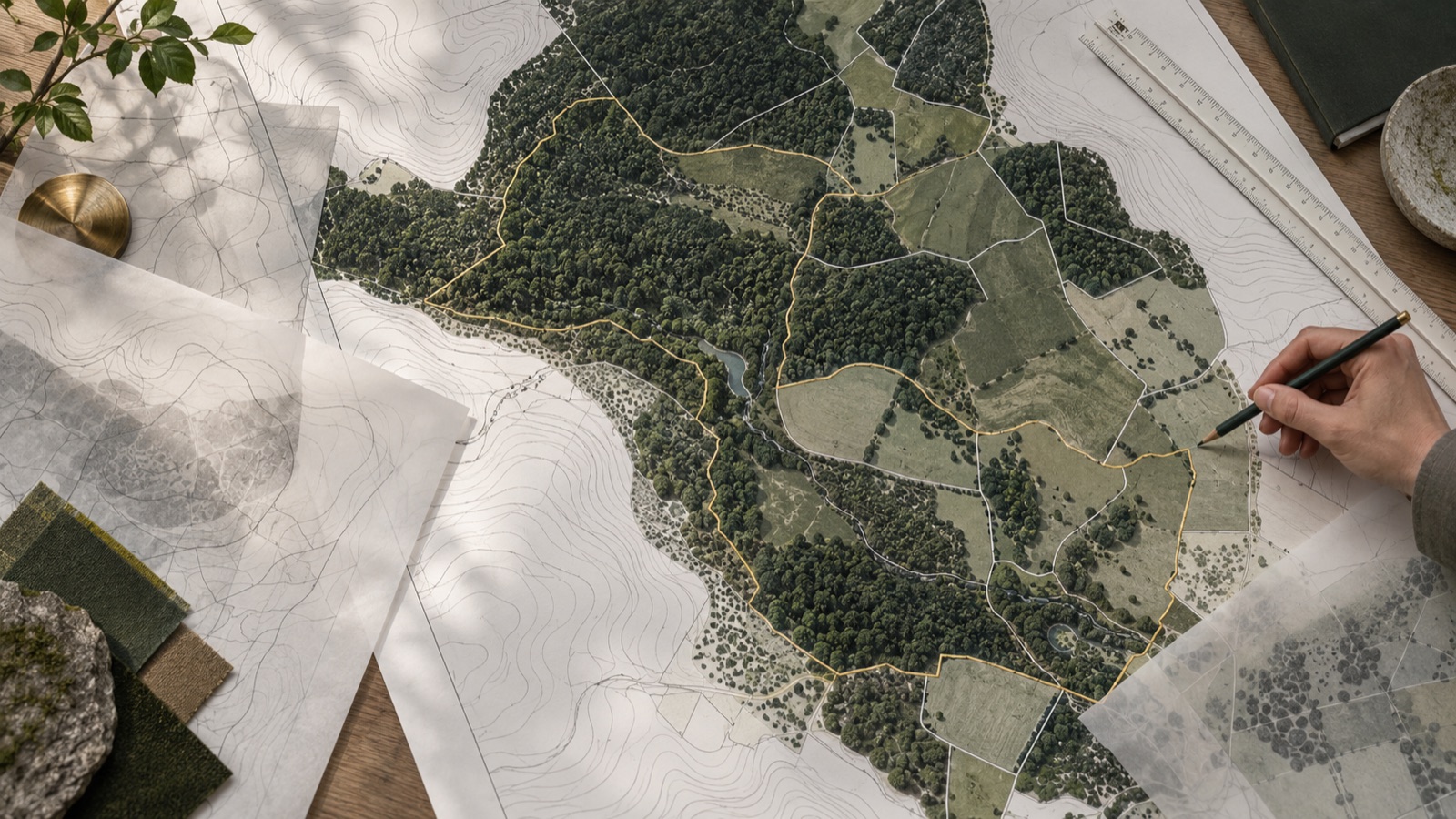
The space outside the module plan also matters: siting, boundary separation, setbacks, supporting ground, wastewater and circulation. Plot size is not necessarily the same as available building area. A siting plan must reflect both rules and physical conditions; preparing these checks before fixing the design can avoid difficult revisions later.
Ask the manufacturer for useful technical information
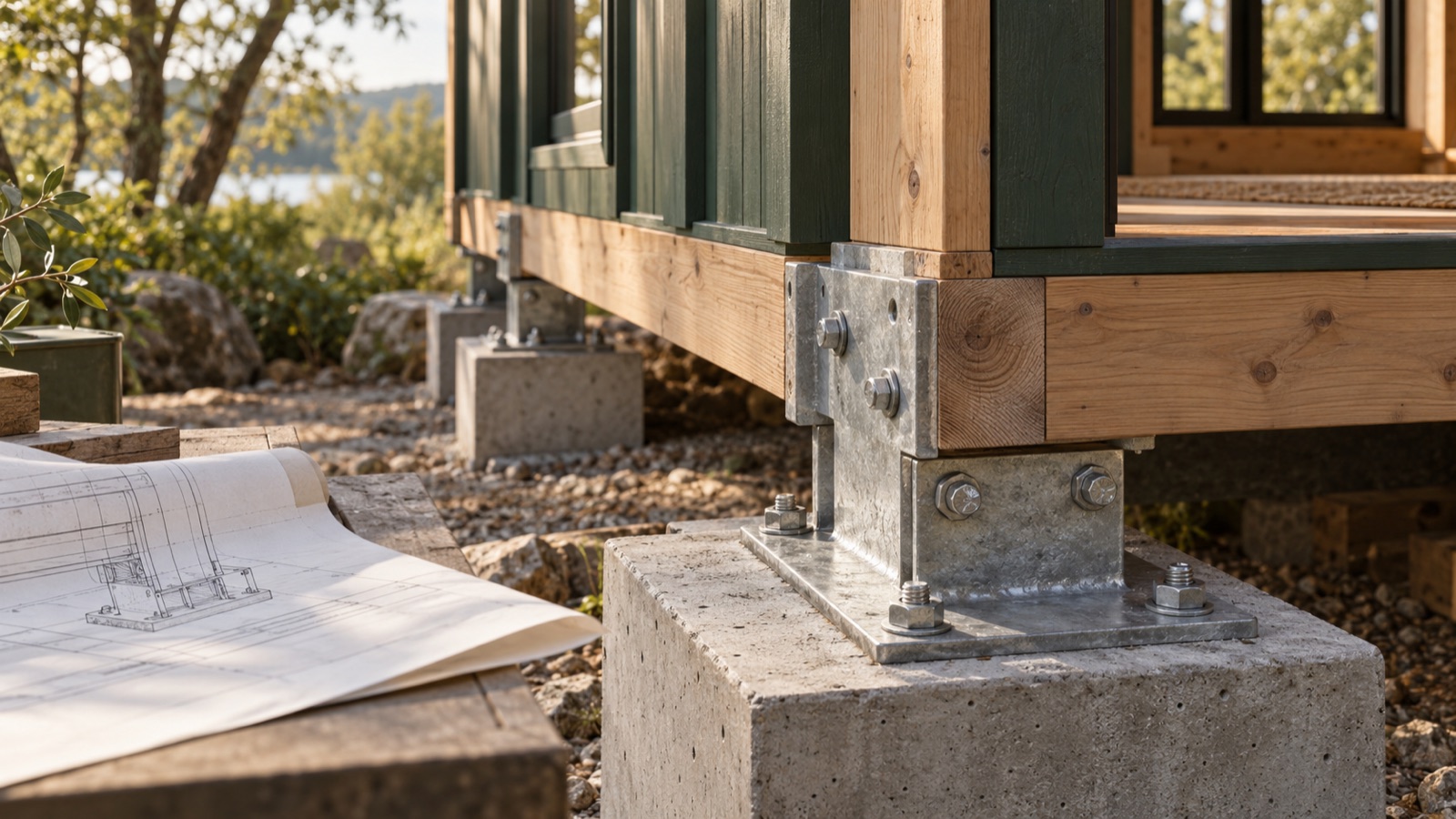
A useful proposal explains what is included and excluded. Request dimensions, loads and support conditions, connections, materials and assembly requirements. Identify who develops and takes responsibility for each design and what documentation they provide. If the offer says ready to live in, ask whether this covers just the module or also foundations, installations, transport, connections, procedures and site works. A clear budget separates those items.
Take that information to the professional preparing the project and confirm the procedure with the competent licensing or municipal authority. A calculator cannot declare structural compliance, and a form cannot assign an authorised height. Agree how design or authority-required changes are handled: scope, cost, party approval and the effect on manufacturing and delivery dates.
Include water, sanitation, environment and transport
Logistics can substantially change a proposal. Review physical access and access rights, road dimensions, manoeuvring, unloading and possible crane use with the technical team. A car being able to enter does not prove a truck can reach the site. Record what needs checking and who checks it. Supplier agreements should cover responsibilities and alternatives if the planned operation is impossible, rather than relying on improvised work on someone else's land.
Request confirmation of water, power, sanitation and any relevant authorisations. A visible or nearby network does not prove an approved connection. Environmental and hazard conditions require the appropriate authority's sources: Cornare has tools for its jurisdiction, while other locations need their competent authority confirmed. The project should bring the responses together, rather than selecting only the answer that supports the original idea.
If you lease the land, prepare the exit too
Alongside public procedures, document the landlord's authorisation for works and the intended use. Agree who pays for improvements, who they belong to, whether removal is allowed and the required return condition. Permission to install does not automatically establish compensation at the end. Plan the exit conversation alongside the entry conversation: it may affect the budget and suitability of a demountable solution.
Before ordering the module, assemble a dossier containing the location, project, outstanding answers and responsibilities. The preparation tool organises those topics, and the lease model helps draft terms. Both support review with local professionals; they do not replace permits or make a home feasible because the fields have been completed.
- Actual project and intended use described for the correct municipality.
- Technical documentation, siting, access and utilities to confirm.
- Responsibilities, costs, changes and exit expressly discussed.
Check the exceptional regime published in 2026
Current review must also consider Legislative Decree 1422 of September 2026, whose article 20 establishes a differentiated regime for housing with prefabricated seismic-resistance systems during the two years following entry into force, within the emergency arising from the 10 August earthquake. Article 2 limits measures to the declared emergency territory and natural or legal persons with direct impact accredited by the competent authorities. A plot being in Antioquia, wanting a prefabricated home or describing a system as demountable is insufficient. The specific measure includes a licence exemption within its scope and conditions; it does not exempt every prefabricated home nationwide. Seismic safety, system characteristics, relevant implementation rules and applicable accreditation still need checking. Consult the current text, its implementation and relevant legal status with the authority and professionals before relying on it. Decree 1448 of 2026 also amends licensing provisions and contains measures with its own scope. This guide declares neither a property nor an applicant eligible and does not assume an implementing rule or judicial decision that has not been verified. Record which route applies to the actual project and the evidence supporting that conclusion.
Prepare a project that allows the correct route to be assessed
Assemble location, property identification, use right, purpose, drawings, system, foundation, services and budget in the same project version. Have the reviewer explain which regime is considered, why and what evidence remains missing. Imagine a supplier replacing a module with another requiring different foundations: the conclusion for the first system should not transfer automatically. The same applies when personal housing becomes accommodation or the location changes. Record who obtains each response and which financial commitment depends on it. The timetable should include design, studies, applicable authorisations, connection and assembly rather than using a commercial delivery promise as an official deadline. If the exceptional route does not apply, the project needs the appropriate ordinary review without implying a favourable result. If the exceptional route might apply, its conditions and responsibilities still require evidence. Resolve the question determining the route and update affected documents before commissioning works based on an assumption. A clear version record makes the professional conclusion reviewable when specifications or circumstances change.
Take your questions to the specific plot.
Keep what you know and identify what is missing. A general guide does not determine ownership, permissions or a plot's feasibility.
This guide's official sources
References consulted to prepare this explanation. Check the text, amendments and applicable scope. An editorial update does not establish professional review or an authority's answer for your case.
Ordinary route and documented exception
Prepare a complete technical description before selecting a route. The rows distinguish product, siting and a possible exceptional measure; they neither exempt a home nor establish applicant eligibility.
| Review question | Evidence to record | Next action |
|---|---|---|
| What will be installed, and how will it be used? | Dimensions, occupancy, materials, foundations, anchors, installations and technical system documents. | Present the whole project to the professional and authority; off-site manufacture or demountability alone does not settle the procedure. |
| Is the lightweight-structure analysis invoked? | Characteristics and use compared with the complete Circular 2021EE0090167, including conditions and limits. | Have the conclusion explained for this project; an old reference or commercial label does not establish an exception. |
| What must the ordinary route establish? | Municipality, use, property conditions, proposed action, category and identified technical documentation. | Check the current framework and amendments; distinguish licensing, utility feasibility and owner consent. |
| Is there evidence to assess the emergency measure? | Documented territorial scope, accredited direct impact and the project’s prefabricated seismic-resisting system. | Review Decree 1422 articles 2 and 20, period, implementation and current status; Antioquia location alone is insufficient. |
| What remains outstanding even if a route applies? | Safety, land use, environment, logistics, water, sanitation and private obligations affecting installation. | Assign evidence and responsibility to each area before ordering; a particular treatment does not approve the entire project. |