
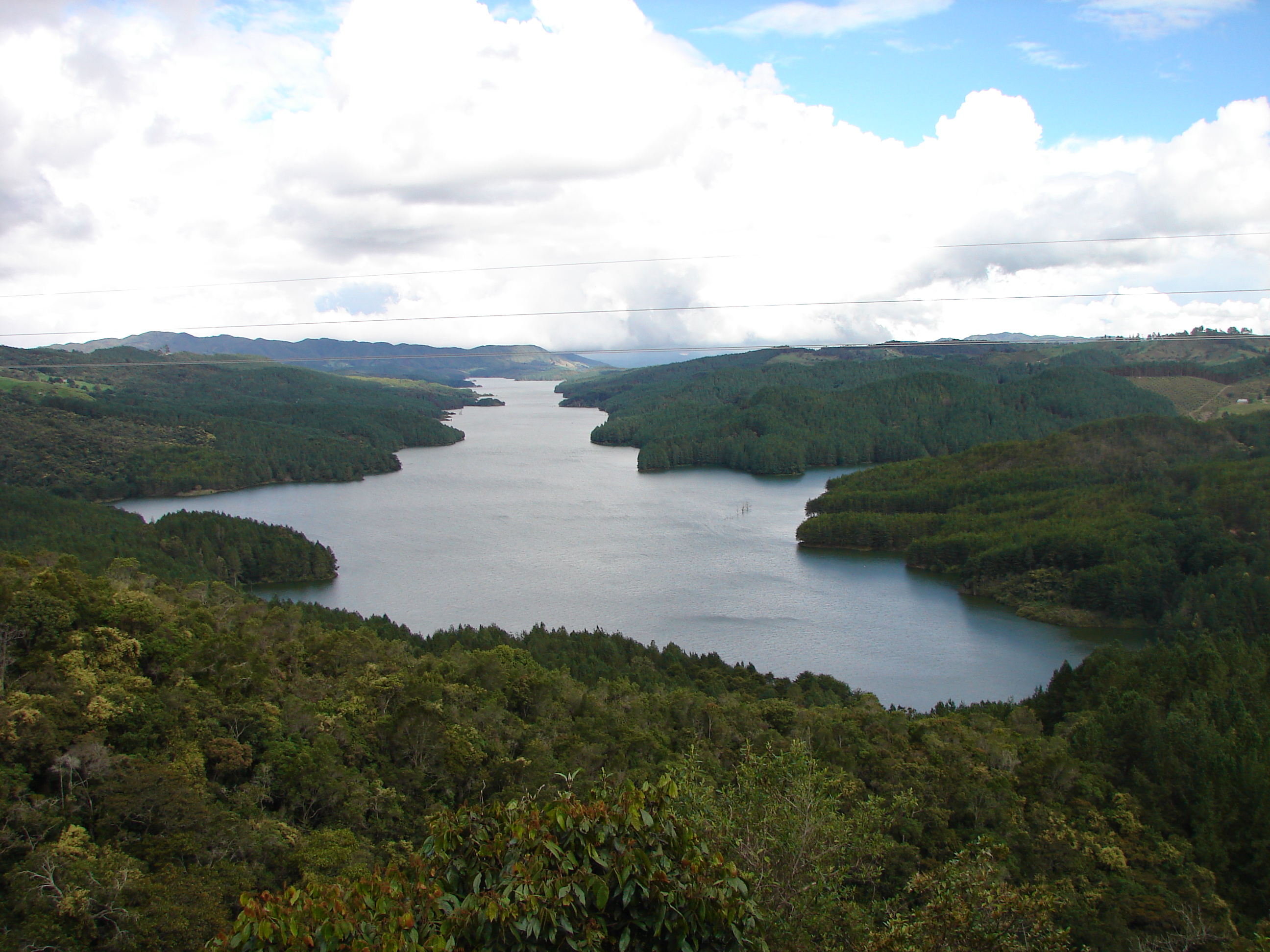
The new roadmap calls for separating conservation, possible programmes and the plot’s water supply. How to assess opportunities without assuming income or permission.
The news and its scope
On 18 October, Medellín’s administration announced a ten-year roadmap for its Territorial Water Security Pact, with goals reviewed every two years. Its statement identifies the Aburrá, Grande, Negro and Arma basins, mentions conservation and incentives, and says coordinating bodies will define goals and responsibilities. This is an announcement about a territorial commitment, rather than an individual determination for a property. 1.
For someone protecting a spring, selling rural land or preparing to build, the useful question is which document would connect that initiative to the property. Our interpretation suggests keeping three files distinct: conservation participation, environmental conditions and the water-supply solution. They can interact, but answering one does not close the others. That separation is this article’s practical contribution, rather than a list of new obligations attributed to the pact.
A catchment is not an individual transaction
A territorial announcement can direct further enquiries. A negotiation needs a more precise identity: municipality, rural locality, property and intended activity. We suggest two boxes on the assessment sheet: territorial context and individual evidence. The news belongs in the first. Only documents addressing the property or the actual programme under investigation belong in the second.
Consider a hypothetical rural property advertised as lying in a priority catchment. Before treating that description as an economic advantage, we would request its mapping reference and ask the responsible organisation to clarify its scope. Sharing a geographic name does not establish that an intervention includes the property. Nor can a catchment illustration locate its boundaries. If that answer is missing, record an open question rather than an inferred benefit in the proposed purchase budget.
Give a possible income its own file
If someone offers future conservation payments, identify who is making the offer, under which programme and through which document. Then distinguish eligibility, selection, an agreement and actual payment. This is our suggested way to examine a particular offer, not a claim that every stage has been created or opened by the announcement.
Prepare a purchase scenario without that income first. A second column can assess possible participation once verifiable terms exist. This reveals whether the property makes sense under its present uses and costs or only works financially because of an uncertain benefit. We would not invent per-hectare rates or add an incentive to the asking price merely because a presentation mentions it. Record who will verify any commercial assumption and what information could change the calculation.
An existing conservation agreement needs a separate reading
An owner may already hold documents that deserve examination independently of the news. Request the agreement and annexes, the parties’ identities, the committed area, the activities described and available evidence of performance. Where payments have occurred, record their date and supporting evidence. A past receipt does not establish future income by itself.
For a sale or long lease, ask legal counsel to examine what happens to that agreement when ownership or occupation changes. Useful questions include duration, access for monitoring, maintenance tasks and possible costs. This article does not determine whether obligations transfer and does not amend any contract. It helps identify the document requiring review before a seller promises continuity to a buyer or tenant, or a buyer relies on that expectation when calculating the funds required to hold the property.
Supplying a home is a different enquiry
EPM presents a developer process from feasibility to connection alongside a network geoportal. These resources help start an enquiry where its coverage applies. 2.
Our recommendation is to describe the need first: permanent or occasional occupation, intended users and possible changes. Ask the provider to explain which procedure fits the location and proposal, and retain the enquiry number, written response and conditions. A pipe photograph or another property’s environmental participation cannot replace that file. Where a different provider serves the area, contact that organisation and verify the scope of its response. The relevant comparison is between documented solutions for equivalent needs, rather than broad descriptions of land as having water.
A watercourse raises its own environmental questions
Cornare lists separate procedures concerning surface water, groundwater, discharges and watercourse occupation. Its directory helps distinguish enquiries; it does not decide which procedure applies to an individual case. 3.
If the proposal involves abstraction, riverbank works or sanitation, prepare a description for the competent authority and the professionals assessing the site. Location determines whom to consult: a single utility or environmental authority does not cover every part of Antioquia. We would not offer a universal setback distance or claim that conserving one area authorises construction elsewhere. Our water and wastewater guide develops the relevant property file, including questions that need their own supporting documents rather than an inference from an environmental announcement.
Compare land using a four-row matrix
For each property, use four rows: water supply, sanitation, conservation and the proposed financial programme. Add columns for evidence available, outstanding response, person responsible and decision depending on it. The matrix lets a buyer, owner and future operator discuss the same issue even when their immediate priorities differ.
Take a hypothetical comparison: property A has a provider response for the investigated proposal; property B has an environmental participation expectation but no supply response. We would neither apply an automatic discount to B nor describe A as universally guaranteed. Instead, identify what is needed for a fair comparison and which assumptions could change the result. The land dossier can retain responses; the utility availability guide helps organise costs and scope. Unknown items should remain visibly unknown until there is enough information to price them responsibly.
Selling, leasing and commissioning a home
When selling, describe documented information and link to the announcement as context. Do not present future benefits as a settled component of the price. When leasing, agree who investigates, who undertakes conservation tasks and how investments remaining on the land will be examined. A professional should translate the arrangement into appropriate case-specific terms.
For a prefabricated-home quotation, share the water and sanitation file so the supplier can identify dependencies and exclusions. An industrialised building still requires investigation of its site. The construction budget tool helps separate known line items from unanswered questions. Our aim is for the next discussion to end with a verifiable task, instead of a broad promise that an environmental programme will solve the development proposal or cover costs that have never been investigated.
What to monitor next
The next editorial check will look for implementation documents capable of changing a decision: precise scope, a call for participation, conditions, responsible organisations or published agreements. A meeting date or a page update will not establish an individual benefit.
This article was prepared on 20 October from the statement dated the 18th. We have not reviewed the complete signed instrument or established a call applicable to an individual property. We claim neither a legal reform, building permission nor an enforceable payment. The announcement is useful because it opens a focused enquiry; record its result before committing money on the strength of the expectation.
Sources & bibliography
Read the full document, its date, amendments and scope. The editorial review date describes this page; it does not establish an authorisation or a specific answer about your plot or financing.